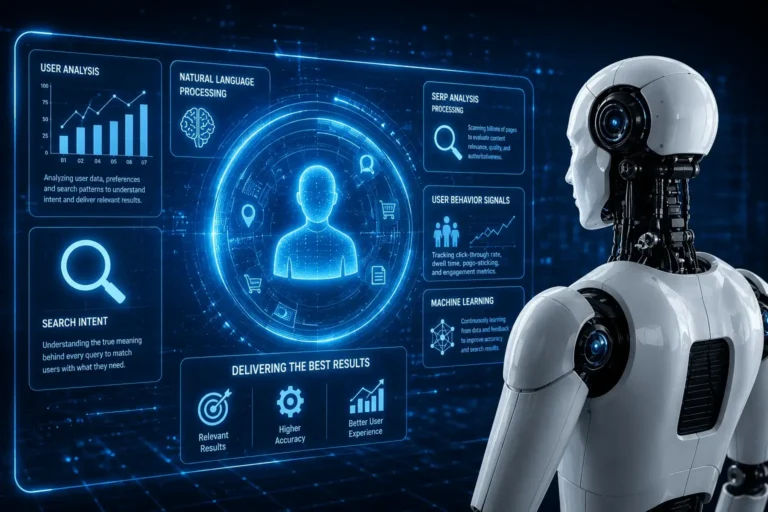


Artificial intelligence accelerates QA by automating data collection from diverse sources and standardizing formats. It enables real-time tagging and interoperable pipelines, supporting collaborative governance and scalable infrastructure. AI visualizes data for immediate interpretation and highlights anomalies that suggest root causes. Automated QA processes ensure consistency and maintain traceable decision logs. Combined with data-driven feedback and rapid experimentation, AI drives continuous learning and accountable improvement, leaving stakeholders with a clear path to measurable outcomes and ongoing inquiry.
How AI Accelerates QA Data Collection
AI accelerates QA data collection by automating data capture from diverse sources, standardizing formats, and enabling real-time tagging. The approach emphasizes scalable pipelines, interoperable interfaces, and collaborative governance to support rapid decision-making. Data visualization translates complex signals into actionable insights, while data governance ensures quality, security, and compliance. Outcomes-focused metrics validate improvements, aligning teams toward freedom to innovate and optimize processes.
How AI Reveals Root Causes Through Anomaly Detection
Anomaly detection enables organizations to pinpoint when processes deviate from expected performance, guiding teams to the most probable root causes with measurable precision. The approach surfaces patterns across data streams, enabling rapid hypothesis testing and collaborative investigation. By tracing anomalies to specific steps, teams quantify impact, align improvements with goals, and sustain outcomes through disciplined monitoring, governance, and transparent communication.
root cause, anomaly detection.
How AI Automates QA Processes for Consistency
Automating QA processes with AI enhances consistency by systematically standardizing checks, reducing manual variance, and accelerating verification cycles.
The approach emphasizes automation governance and transparent accountability, aligning teams around shared standards.
Data integrity is preserved through traceable decision logs and validated inputs.
Outcomes-focused evaluation tracks error rates, resolution times, and reproducibility, fostering collaborative improvements while maintaining freedom to innovate within governed, measurable QA practices.
How AI Enables Continuous Learning and Improvement
Continuous learning and improvement are advanced through data-driven feedback loops that translate observations into actionable adjustments. AI facilitates continuous learning by monitoring outcomes, surfacing patterns, and guiding iterative changes, aligning teams on measurable targets.
Improvement dynamics emerge from transparent experimentation, rapid rollback of ineffective approaches, and shared dashboards. The approach emphasizes collaboration, accountability, and freedom to pursue innovation while sustaining quality and stakeholder value.
See also: The Role of Cryptocurrency in Financial Inclusion
Frequently Asked Questions
How Does AI Handle Data Privacy in QA Systems?
AI systems protect data privacy through access controls, anonymization, and confidentiality assurances, while enabling root cause auditing. Data governance and collaborative monitoring ensure outcomes-focused improvements, balancing freedom with accountability and transparent, data-driven QA processes.
Can Ai-Identified Root Causes Be Audited Easily?
Euphemistically, the process lends itself to auditable traceability; root causes identified by AI can be reviewed with structured governance. Data privacy remains central, with transparent logs supporting collaborative, data-driven, outcomes-focused audits and freedom-enhancing accountability.
What Are the Limitations of AI in QA Decisions?
AI decisions face bias pitfalls and model drift, limiting reliability; governance, validation, and continuous monitoring are necessary. The approach remains collaborative, outcomes-focused, data-driven, balancing speed with transparency to support freedom-loving teams in QA improvement.
How Does AI Adapt to Changing Quality Standards?
Adaptive models adjust to shifting standards, like sails catching new winds; AI evolves with data, continuously benchmarking outcomes. It remains data-driven, collaborative, and outcomes-focused, empowering teams seeking freedom to innovate while maintaining quality through adaptive, transparent processes.
What Organizational Skills Boost Ai-Driven QA Success?
Organizational skills that boost AI-driven QA success include establishing communication governance and cross functional training; data-driven, collaborative practices yield outcomes-focused improvements, aligning teams, enabling freedom to experiment while maintaining accountability and transparency.
Conclusion
AI-powered systems unify data collection, anomaly insight, and automated QA to propel quality improvement. By standardizing inputs, identifying root causes, and enforcing consistent processes, teams gain rapid, evidence-based results. The data-driven feedback loop enables collaborative hypothesis testing, shared governance, and transparent decision logs, accelerating learning and accountability. The impact is transformative—quality improvements scale across operations with speed and precision, turning every insight into measurable outcomes and a culture of continuous, tireless optimization.